Software ownership is a balance-sheet decision
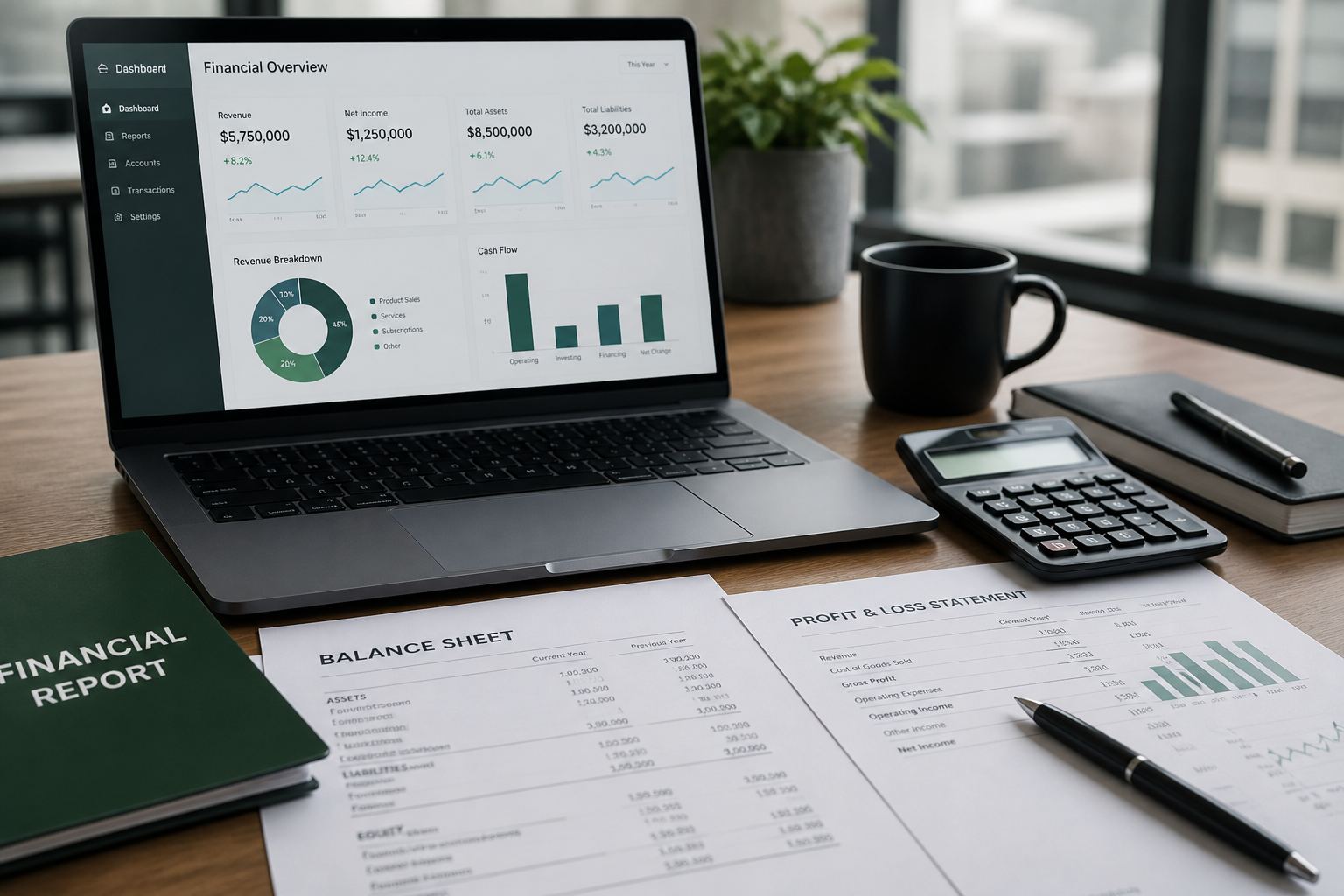
Subscriptions are an operating cost that compounds forever. Owned systems are an asset with a payback period. Most organisations have never compared the two properly.
Read the paperInsights
We publish the reasoning behind our advice rather than thought-leadership. If you disagree with a piece here, that is a good first conversation.
Format · Position papers
Positions open to argument
Reasoning · not thought-leadership
§1 · Balance sheet
Ownership is a capital decision, not a licence preference.
§2 · Build price
AI changed the price of building — not the reason to own.
§3 · Classification
Rent commodity. Extend what works. Own what is strategic.
Margin · argue here
Challenge the payback?
When is rent still cheaper?
Who decides the lane?
If you disagree
Good first conversation
Focus · Ownership economics
CIO · COO · CFO
Core positions
Three pieces that together explain how we think about what a business should own.
Articles
Practical pieces on cost, ownership and platform limits — aimed at owners and operators, not procurement committees.
Field notes
Published progressively. Ask us for the reasoning on any of these before it appears here.
Every configuration that fights the product's model becomes an upgrade liability. How to price that before you accept it.
The advice was correct when building was slow and expensive. Two of its three assumptions no longer hold.
The system that decides what is true across your platforms is a strategic asset, whatever the diagram calls it.
Six practical tests, including the shadow-spreadsheet test and the sales-differentiation test.
An honest boundary from a firm with practices in both — and where extension stops paying.
Cycle time, exception rate, cost-to-serve. The metrics that survive a CFO conversation.
Next step
Thirty minutes on one workflow, with a written recommendation afterwards.